
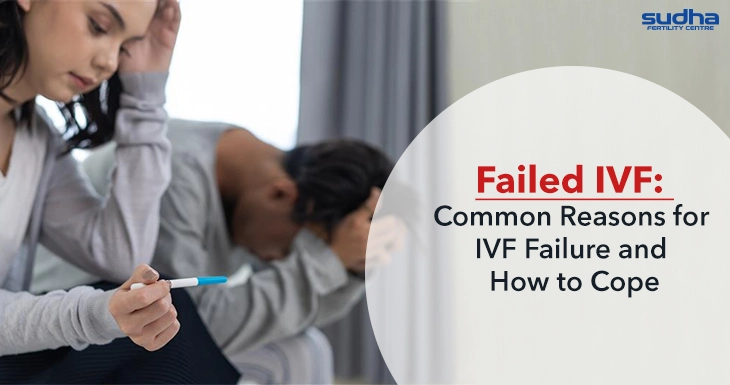
Reasons for IVF Failure: Failed IVF and How to Cope
Reasons for IVF Failure
-
- Poor Egg or Sperm Quality – Low quality eggs or sperm can affect embryo development and reduce IVF success.
- Genetic Abnormalities – Chromosomal issues in embryos may prevent implantation or cause miscarriage.
- Uterine Problems – Fibroids, polyps, or thin uterine lining can interfere with embryo implantation.
- PCOS or Endometriosis –These conditions may affect hormones, egg quality, and implantation success.
- Lifestyle Factors – Smoking, obesity, stress, and unhealthy habits can lower IVF success rates.
- Need for Fertility Evaluation – Advanced testing helps identify the causes of repeated IVF failure.
IVF stands for In-Vitro Fertilization. It has given hope to millions of people all around the world. Some people who have opted for this fertility treatment failed and, as a result, search for answers to find what are the reasons for IVF failure. Understanding failed IVF is the first step to plan the next steps.
Causes and Reasons for IVF Failure:
Many individuals facing IVF failure are left confused with the question, “why IVF Fails? The reasons for IVF failure may vary depending on the individual’s health. But the fertility experts have certain common reasons for IVF Failure.
Reasons of IVF Failure:
The following are the common reasons for IVF failure, these might answer the question and clear the confusion about why IVF fails.
-
Egg and Sperm Quality Problems
Egg and sperm quality are critical factors in the success of IVF. Poor egg quality or sperm abnormalities can lead to embryos that cannot develop properly, causing failure of IVF. Advanced testing can provide insights into specific issues with egg or sperm quality, particularly for individuals with repeated failed in vitro fertilization cycles.
-
Genetic Abnormalities in Embryos
Genetic abnormalities are one of the most common reasons for IVF failure. Even with good-quality embryos, chromosomal issues may prevent implantation or result in early miscarriage. Genetic testing, such as Preimplantation Genetic Testing (PGT), can help identify viable embryos and improve success rates.
-
Implantation Problems Due to Uterine Conditions
A healthy uterine environment is essential for implantation. Conditions such as uterine fibroids, polyps, or a thin endometrial lining may be the cause of unsuccessful IVF attempts. Specialized assessments, including uterine lining analysis, can provide valuable insights.
-
Health Conditions Like PCOS or Endometriosis
Underlying medical problems, for example, PCOS or endometriosis, interfere with egg quality, hormones, and implantation which are the major IVF failure reasons. Thus, treating these conditions before IVF may be considerably effective in increasing the success rate.
-
Lifestyle Factors
Lifestyle factors, such as smoking, obesity, or high stress levels, are major causes for IVF failure. Optimal physical health through a healthy diet, regular exercise, and stress management can enhance IVF success rates.
Causes of IVF Failure:
Many couples face failed IVF even though having good embryos is often left unanswered for this question, “Why does IVF fail with good embryos?” The following are the causes of unsuccessful IVF despite having good embryos.
-
Challenges with Implantation:
Even with high-quality embryos, implantation may face obstacles due to an unfavorable uterine environment, a thin or insufficient endometrial lining, or immune system reactions that impede successful attachment.
-
Genetic Abnormalities in Embryos:
Embryos that appear to be of excellent quality may still carry genetic issues that prevent them from developing into healthy pregnancies. These abnormalities can arise from errors during fertilization or inherited genetic conditions from the parents.
-
Immune System Interference:
In certain cases, the immune system may mistakenly identify the embryo as a foreign object and trigger a response, leading to rejection and implantation failure causing IVF failure.
-
Hormonal Imbalances:
Disruptions in maternal hormonal levels can significantly affect the implantation process and the progression of pregnancy.
-
Impact of Stress and Lifestyle:
Elevated stress levels, unhealthy lifestyle choices, and environmental factors can adversely affect IVF success rates. Addressing these issues through lifestyle adjustments is crucial for improving the chances of a positive outcome.
Symptoms of IVF failure
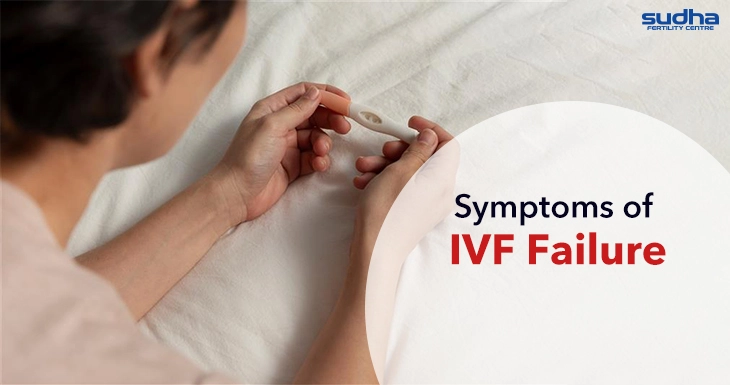
Understanding the Signs of an Unsuccessful IVF Cycle is essential for navigating the next steps in your fertility journey. The most common sign of a failed IVF cycle is the absence of typical early pregnancy symptoms or a confirmed negative pregnancy test. This can indicate that the implantation was unsuccessful.
Recognizing the symptoms of IVF failure allows couples to consult with their healthcare provider and explore alternative treatments or approaches. While a failed IVF cycle can be challenging, it provides valuable insights for future planning.
IVF Success Rates: First and Subsequent Attempts
-
First Attempt Success Rates
The success rates of IVF first-time attempts vary with age, health condition, and clinic experience. Generally, younger people are likely to have higher success rates, but the success rate may vary widely.
-
Second Cycle Success Rates
For those who have suffered a failed IVF, a second cycle brings back some hope. Often changing drug dosages or employing a more advanced technique will help increase IVF second-cycle success rate. Care is essential to ensure optimal participation with a fertility specialist at the next attempt.
Treatment Options for Failed IVF
There are additional treatment options for people who face failed IVF. With these treatments, it’s possible to achieve parenthood.
-
Genetic Analysis and Endometrial Thickness Evaluation
Subsequent reasons for IVF failure can be diagnosed by advanced tests—genetic embryo testing and uterine lining evaluation help with creating a treatment plan to tailor future care.
-
Lifestyle Modifications
Even minor changes to your lifestyle make a huge impact. A healthy diet, regular exercise, yoga or meditation can improve your overall reproductive health.
-
Considering Donor Eggs, Surrogacy, or Advanced Treatments
For those who have had repeated failed in vitro fertilization, alternative options like donor eggs, surrogacy, or advanced fertility treatments may be beneficial. A clear discussion with our fertility expert will clarify and guide you further.
Coping with Failed IVF
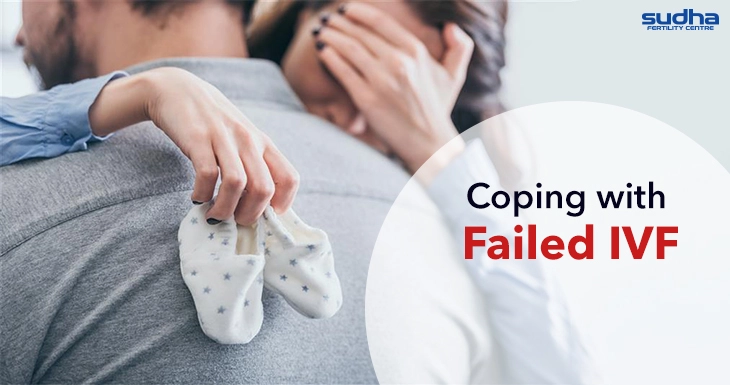
IVF failure can cause emotional trauma and make you feel exhausted. However, it’s important to seek medical advice when you are feeling down after a failed IVF.
-
Emotional Support
The emotional burden after a failed IVF can be very overwhelming. Professional counseling or joining support groups can help process emotions and find comfort in shared experiences.
-
Partner Communication
Open communication with the partner is very important in overcoming failed in vitro fertilization, where they can discuss emotions, reevaluate goals, and prepare for the next move with a trusted fertility doctor.
-
Preparing Future Steps
While some may experience a natural pregnancy after a failed IVF, consulting a fertility expert is important to evaluate all options. Determining the best course of action, whether it’s another IVF cycle or alternative treatments, can bring renewed hope.
-
When to Expect Period After Failed IVF
Most people want to know what is happening to their menstrual cycle after an unsuccessful IVF attempt. In general, the period returns within 7 to 14 days after stopping progesterone support. Understanding this timeline can help manage expectations and plan subsequent steps.
Conclusion
Experiencing failed in vitro fertilization is indeed challenging, but it doesn’t mean the end of the journey. Understanding why IVF fails and looking for personalized treatment can help make a way to success. Keeping oneself informed, making necessary lifestyle changes, and finding emotional support makes a great difference.
Hope also keeps on being a powerful ally in the fertility journey because steps forward bring new possibilities. Proper guidance and determination can make this always-present dream of having children come true.
Frequently Asked Questions
What is the most common reason for IVF failure?
Can IVF fail even with good embryos?
Does age affect IVF success?
Can stress cause IVF failure?
How many IVF cycles usually fail before success?
Can poor sperm quality lead to failed IVF?
Does PCOS affect IVF success?
What tests are done after failed IVF?
Can lifestyle affect IVF results?
Is pregnancy possible after failed IVF?

Dr. S. Pradeepa is a fertility specialist at Sudha Fertility Centre, Erode, with expertise in IVF, IUI, ICSI, PCOS, and endometriosis. She holds MBBS, DGO, DNB (OG), and a Fellowship in Reproductive Medicine. Known for her patient-centric approach, she provides personalized, evidence-based care and reviews medical content to guide informed fertility decisions.