

How to prepare your body for IVF treatment?
Do’s While Preparing Your Body for IVF Treatment?
- Quit Nicotine and Caffeine Before IVF – smoking and excess caffeine raise blood pressure, disrupt hormone balance, and significantly lower IVF success rates
- Best Diet to Follow Before IVF Treatment – include fertility-boosting foods, maintain a BMI between 20–30, and optimize your nutrition at least 30 days before your cycle
- Essential Health Check-Ups Before Starting IVF – ovarian reserve testing, semen analysis, uterine exam, blood tests, and infectious disease screening are all required for both partners
- Best Vitamins and Supplements to Take Before IVF – folic acid and fertility-enhancing supplements improve egg quality and reduce the risk of birth defects
- Why Regular Sleep Is Important During IVF Preparation – consistent sleep balances hormones, reduces anxiety and stress, and strengthens your psychological readiness for treatment
- How to Stay Emotionally Prepared During Your IVF Journey – anxiety and mood swings are normal due to hormone injections; building emotional resilience improves your overall IVF experience
If you’re hoping to start or increase your family and have been trying all other fertility options, IVF can be the best option to have a biological baby.
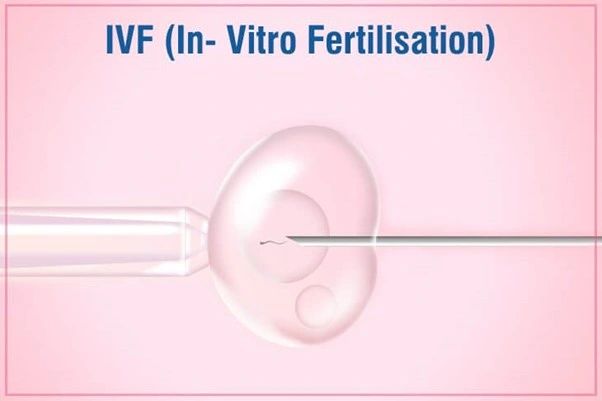
It is a medical procedure in which an egg is fertilized with sperm, outside the mother’s womb, giving you an embryo — a baby seedling! This happens outside your body. The fertilized embryo is either frozen or the little seedling can be implanted in your womb right away. Hopefully this will result in pregnancy.
This procedure can be used to treat infertility in various cases such as damaged or blocked fallopian tubes, decreased sperm count or motility, ovulation disorders, premature ovarian failure, removed fallopian tubes, uterine fibroids, and genetic disorders.
Though the process of egg fertilization is artificial the overall pregnancy is as real as it can be. A mother would feel the same emotions, same discomfort, and same trouble in both cases. The feeling of getting the news of positive pregnancy will be the same and the feeling of hearing the first cry of your child will be the same. Another fact about IVF is that it’s common to opt for it.
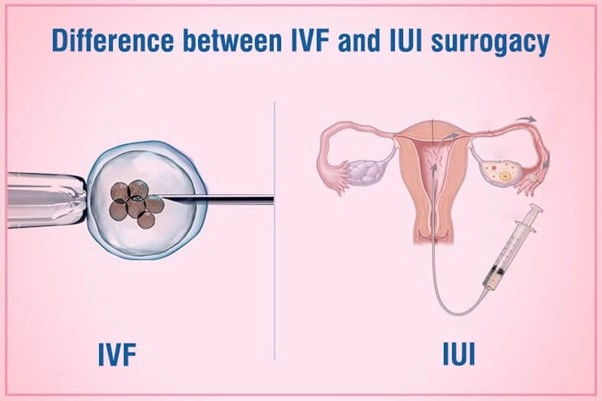
Difference between IVF and IUI, Surrogacy
In the IVF treatment the eggs from the intended mother and the semen from the intended father are fertilized and implanted in the body of the intended mother only, whereas, in surrogacy, the embryo is planted in the womb of another woman chosen by the parents. The surrogate mother will keep the baby in the womb for the rest of the pregnancy procedure. Surrogacy is preferred mostly when the female partner has removed the uterus due to medical reasons or due to either uterine defect or inherent condition.
Preparing oneself for IVF
The anticipation to be a mother provides a woman the strength to bear and overcome any pain. But the preparation is needed at both emotional and physical levels to attain what’s required to be a mother. Therefore preparing oneself for the beautiful journey ahead is necessary. These preparations include a tremendous change in inhabits. You have to attain some and give up some other as well.
The do’s while preparing your body for the IVF are:
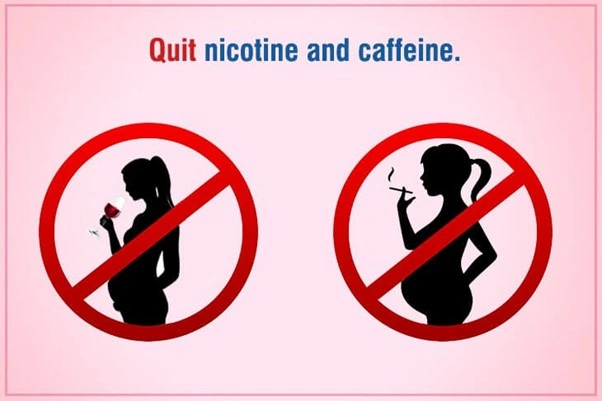
Quit nicotine and caffeine.
Quit smoking and drinking and start detoxing yourself before you conceive your baby. No one wants to stay in a dirty home. Limit your caffeine intake as it can increase the heart rate, blood pressure, and urine output and can adversely affect your metabolism. And all of these are unhealthy during or before pregnancy. Taking inspiration from the mother earth sow yourself for the unhealthy habits and prepare a hostile environment for your baby.
Balance your diet.
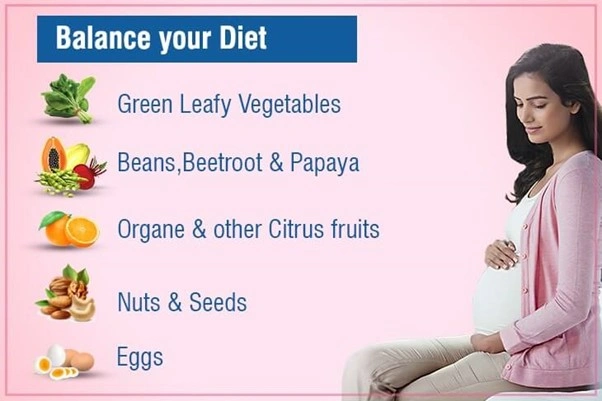
A little later from now, your whole life is going to revolve around your little one. Prepare yourself for new happenings and try to incorporate your efforts into the diet as well. The first step will be to introduce some fertility-enhancing foods into your diet. Be conscious about your weight as BMI affects your chances of IVF being successful. Try to balance your BMI between 20 to 30. Also, the 30 days leading up to your IVF cycle are very important for ensuring your body is healthy, strong, and fully prepared for this fairly intense medical process.
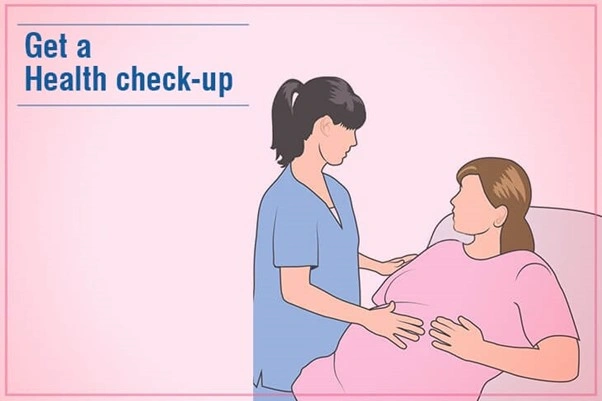
Get a health check-up
Get yourself tested for diabetes, blood pressure, infectious diseases, and various other health measures that can affect your chances of conceiving the baby and the health of the baby. Both of the parents have to go through some fertility health check-ups as well to get to know the reason behind troubles in infertility. Some of these tests include Ovarian reserve testing, Semen analysis, Infectious disease screening, Practice (mock) embryo transfer, Vaginal ultrasound, Blood tests, and the Uterine exam.
Vitamins
The results of IVF are highly dependent on Egg quality. Therefore it is important to add some fertility-enhancing vitamins to the diet. Folic acid supplements are known to reduce the risks of birth defects. It is necessary to consult your doctor before selecting the vitamins.
Regular sleep
Maintain your nocturnal cycle is really crucial if you are planning for an IVF treatment. Getting the right amount of sleep and fertility are closely connected. It helps you to balance your energy levels, moods and reduces anxiety and stress that makes you psychologically strong.

Be emotionally prepared
You may feel an amalgamation of various and several emotions when you prepare yourself for IVF. Anxiety, sadness, and uncertainty can be heightened from the start to the end. The IVF cycle can be a lot to handle as it quite time-consuming, physically demanding, a little expensive, and at the same time uncertain. The emotions can be altered and heightened due to various injections that can fluctuate your hormone levels.
Is IVF painful process?
The experience of IVF varies from woman to woman. But most of the women describe the escapade as slightly discomfort rather than painful. The first discomfort can be felt during ovarian stimulation when injections of follicle stimulation hormones are injected to push your ovaries to generate multiple eggs in a single cycle. Some women may feel the fluctuation in hormones caused by the injections but these side effects are not usually severe or painful. These effects include breast tenderness, bloating, mood swings, insomnia, and headaches. After the eggs have been matured enough for the retrieval, a shot of HGC will be given 36 hours before the retrieval to ensure that the eggs are completely matured. After ensuring that multiple eggs are matured and released the retrieval step takes place. The egg retrieval step can cause a little more discomfort but you will be sedated or provided medicines to overcome that. The retrieved egg after that is introduced to the sperm indirectly or directly in the case of decreased sperm mobility. The embryo, the seed, gets fertilized outside the body and once the fertilization is ensured, the transfer of the embryo in the mother’s womb takes place. The embryo transfer as well won’t be that painful as it is a simple procedure of planting the embryo through the catheter. This feeling can be found similar to the feeling of speculum used during a pap test.
How long does it take to get pregnant with IVF?
About 12 days to two weeks after egg retrieval, you will be get tested by your doctor to detect whether you’re pregnant. If you are found pregnant, the obstetrician or other pregnancy specialist will assist you with prenatal care. The rest depends on your health and the baby’s health. Generally, it takes 9 months after that.
Cost of IVF treatment in India?
The cost of IVF treatment in India can be quite substantial but it majorly depends on your fertility and chances to conceive. You can be fortunate enough to conceive the baby in the first IVF cycle or you might have to wait for a second cycle. Including all surgical and diagnostic procedures, tests, and treatments, the IVF Cost in India normally ranges between 1 to 3 Lakhs per cycle and it varies to each IVF Centre in India.
IVF cost in Sudha Fertility Centre
With an aim to provide accessible, quality, cost-effective, preventive, curative, and rehabilitative health care services to the general public, as a public tertiary hospital, Sudha Fertility Centre provides budget-conscious infertility treatment. The staff in Sudha Fertility Centre offers evidence-based treatments and ensure transparency during all interactions with the patients. Equipped with the most advanced technology, the overall procedure makes the treatment and all services cost-effective.
Frequently Asked Questions
How do I prepare my body for a successful IVF?
How to detox your body before IVF?
How can I increase my chances of my embryo sticking?
What are the signs of successful IVF?
- Light spotting or implantation bleeding - a small amount of pink or brown discharge around 6–10 days after transfer, caused by the embryo attaching to the uterine lining.
- Mild cramping - a gentle pulling or tugging sensation in the lower abdomen, similar to but softer than period cramps.
- Breast tenderness or swelling - caused by rising progesterone and, if implantation has occurred, early hCG levels.
- Fatigue - feeling more tired than usual as your body adjusts to early hormonal changes.
- Bloating or increased urination - early hormonal shifts can cause these mild symptoms in some women.
How does stress affect IVF and what can I do to manage it during preparation?
What is the hardest stage of IVF?
What are the 5 best foods to eat to prepare for IVF?
- Leafy green vegetables - spinach, kale, and broccoli are rich in folate, iron, and antioxidants that protect egg cells and support healthy cell division.
- Oily fish - salmon, sardines, and mackerel provide omega-3 fatty acids, which reduce inflammation, support egg quality, and improve uterine blood flow.
- Berries - blueberries, strawberries, and raspberries are high in antioxidants that help neutralise free radicals that can damage eggs and sperm.
- Whole grains - brown rice, quinoa, oats, and whole-wheat bread provide steady energy, fibre, and B vitamins essential for reproductive health.
- Avocados and healthy fats - olive oil, walnuts, and seeds provide vitamin E and monounsaturated fats that support hormone production and a healthy uterine lining.
How many months before IVF should you start preparing your body?
Does exercise improve IVF success rates?
What tests should I have done before starting IVF treatment?

Dr. S. Pradeepa is a fertility specialist at Sudha Fertility Centre, Erode, with expertise in IVF, IUI, ICSI, PCOS, and endometriosis. She holds MBBS, DGO, DNB (OG), and a Fellowship in Reproductive Medicine. Known for her patient-centric approach, she provides personalized, evidence-based care and reviews medical content to guide informed fertility decisions.

Permalink
Permalink
Permalink
Permalink
Permalink
Permalink