

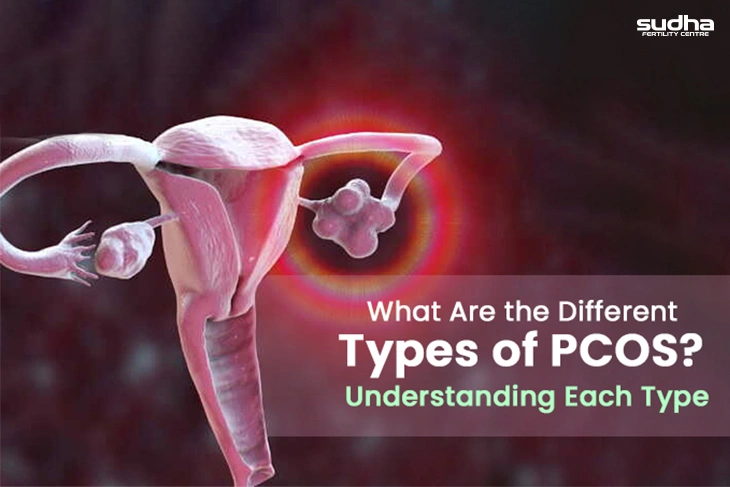
What Are the Different Types of PCOS? Understanding Each Type
What Are the Different Types of PCOS? Understanding Each Type
- Insulin-Resistant PCOS – the most common type, affecting 70% of PCOS patients, caused by the body’s reduced response to insulin leading to excess androgen production
- Post-pill hormonal disruption – PCOS-like symptoms that may appear after stopping certain birth control pills (especially those containing drospirenone or cyproterone), typically resolving within 3 to 6 months. This is not considered a true PCOS diagnosis, as the symptoms are usually temporary and resolve as the body’s natural hormones rebalance.
- Inflammatory PCOS – driven by chronic low-grade inflammation from poor diet, environmental toxins, or stress, stimulating excess testosterone production
- Adrenal PCOS – Some women with PCOS show predominant adrenal androgen excess, with elevated DHEA-S levels often linked to chronic stress. In these cases, it is important to rule out non-classic congenital adrenal hyperplasia (NCAH), a separate but similar-looking condition that requires specific testing (17-hydroxyprogesterone) and different treatment.
Early signs of PCOS to watch for include irregular periods, excess androgen symptoms, polycystic ovaries on ultrasound, unexplained weight gain, and insulin resistance.
Polycystic Ovary Syndrome (PCOS) is a common yet complex health condition that affects women of reproductive age. PCOS occurs due to hormonal imbalances that affect the ovaries, leading to a variety of symptoms that can interfere with fertility, metabolism, and overall health. If left untreated, PCOS can lead to serious long-term health complications such as diabetes, heart disease, and infertility.
Understanding the different types of PCOS is crucial for effective treatment and management. There are four main types of PCOS, each with distinct characteristics and treatment options. This blog will explore the four types of PCOS, their causes, symptoms, treatment, and diet options for managing them. If you’re wondering, “What are the different types of PCOS?”, this blog will provide a comprehensive breakdown of each type.
What are the different types of PCOS?
PCOS is not a uniform condition. It can present in different forms; each requires specific care and attention. The four different types of PCOS are:
- Insulin-Resistant PCOS
- Post-Pill PCOS
- Inflammatory PCOS
- Adrenal PCOS
Understanding the 4 types of PCOS can help women take proactive steps to manage symptoms and prevent complications. Let’s take a closer look at each of the four types of PCOS and their health implications.
Insulin-Resistant PCOS: The Most Common Type of PCOS
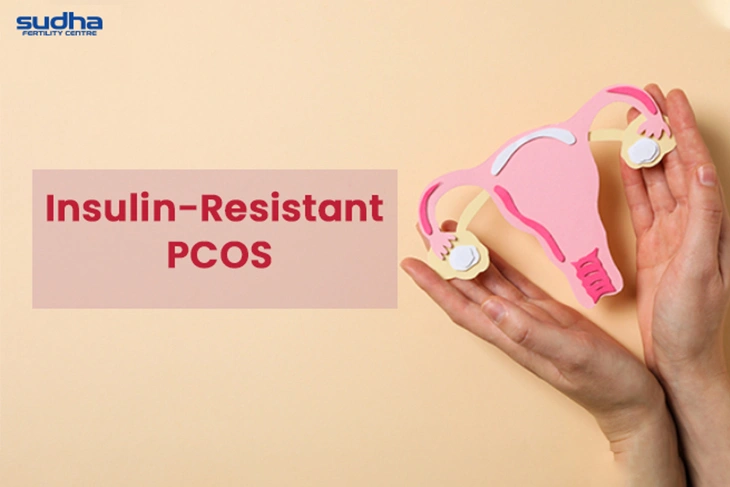
Insulin-resistant PCOS is the most common form of the condition, affecting approximately 70% of individuals diagnosed with PCOS. Insulin resistance occurs when the body’s cells become less responsive to insulin, a hormone that helps regulate blood sugar levels. As a result, the pancreas produces more insulin to compensate for the increased blood sugar levels, which in turn stimulates the ovaries to produce excess androgens (male hormones), such as testosterone.
This imbalance leads to a variety of symptoms, including:
- Headaches
- Increased hunger and thirst
- Weight gain, especially around the abdomen
In some cases, women with insulin-resistant PCOS may also develop type 2 diabetes, high cholesterol, and high blood pressure.
Tip to manage: One of the most effective ways to manage insulin-resistant PCOS is to reduce excess sugar in your diet. While small amounts of sugar are okay, excessive consumption can aggravate insulin resistance. Focus on a balanced diet rich in whole grains, fiber, lean proteins, and healthy fats to help regulate blood sugar levels and improve insulin sensitivity. Exercise is essential for managing hormonal imbalance, making lifestyle modification the primary treatment approach.
Post-Pill PCOS
Post-pill PCOS refers to a condition that often develops after a woman discontinues oral contraceptives, especially those containing synthetic progestin. Birth control pills suppress ovulation, and when a woman stops using them, the hormonal fluctuations can trigger PCOS-like symptoms. This type of PCOS is usually seen in women who had regular menstrual cycles before starting birth control.
Symptoms of post-pill PCOS include:
- Acne or other skin issues
- Irregular periods
- Excess hair growth, particularly on the face and chest
While post-pill PCOS can be distressing, it usually resolves over time, although it may take a few months for hormonal balance to return to normal.
Tip to manage: Maintain a healthy lifestyle by staying active, eating a balanced diet, and managing stress. Regular exercise can help restore hormonal balance and reduce the risk of weight gain, which is common in women with PCOS.
Inflammatory PCOS
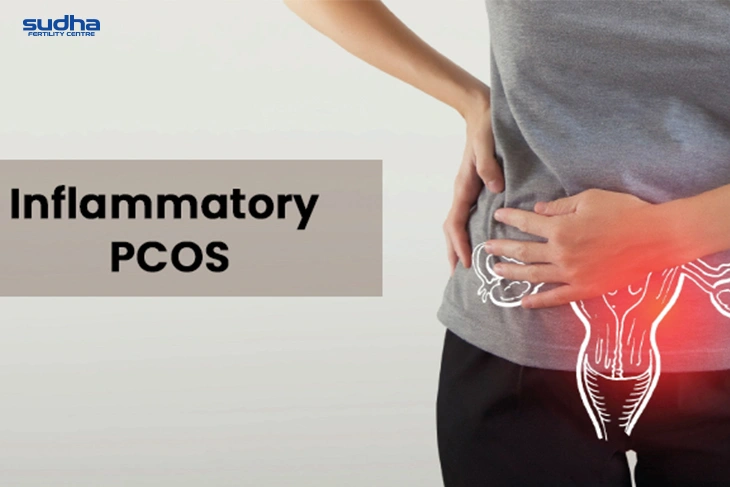
Inflammatory PCOS is one of the types of PCOS that occurs when chronic low-grade inflammation in the body triggers the ovaries to produce excess testosterone. This inflammation can result from various factors, including poor diet, environmental toxins, and psychological stress.
Common symptoms of inflammatory PCOS include:
- Ovulation issues, leading to irregular periods or difficulty getting pregnant
- Fatigue or low energy levels
- Digestive problems, such as irritable bowel syndrome (IBS)
- Acne or oily skin
This type of PCOS is often associated with other health complications, including obesity, insulin resistance, and type 2 diabetes.
Tips to manage: Avoid inflammatory foods like dairy, sugar, and refined grains. Instead, incorporate anti-inflammatory foods such as leafy greens, fatty fish, nuts, and seeds into your diet. Supplements like magnesium and omega-3 fatty acids can also help reduce inflammation. Improvements may take up to nine months, so patience and consistency are key.
Adrenal PCOS: Identifying One of the Different Types of PCOS
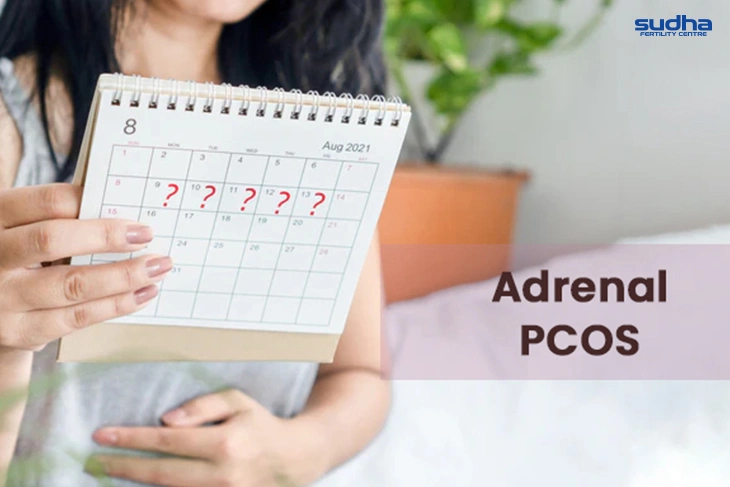
Adrenal PCOS is the result of an imbalance in hormone production by the adrenal glands, which are responsible for producing cortisol, adrenaline, and other stress-related hormones. In women with adrenal PCOS, these glands produce excess androgens, leading to symptoms such as:
- Weight gain, particularly around the abdomen
- Hair loss or excessive hair growth, especially on the face or chest
- Acne
- Irregular or missed menstrual cycles
Chronic stress is one of the most common contributors to adrenal PCOS, as it leads to elevated cortisol levels, which in turn affect hormones. Adrenal PCOS is one of the 4 types of PCOS associated with high stress and hormonal imbalances due to the adrenal glands.
Tips to manage: To manage adrenal PCOS, it’s essential to reduce stress through relaxation techniques like meditation, yoga, or deep breathing exercises. Regular physical activity and adequate sleep are also crucial in supporting hormonal balance. Additionally, ensuring you have enough vitamin D in your diet can help support adrenal function.
Recognising the early signs of PCOS:
Early detection of PCOS is vital for timely diagnosis and management. Regardless of the type of PCOS, certain symptoms are common across all types, including:
- Irregular menstrual cycles: Fewer than eight or nine periods a year may signal a hormonal imbalance.
- Excess androgen levels: Symptoms include irregular periods, difficulty ovulating, extra hair growth, and acne.
- Polycystic ovaries: Enlarged ovaries with multiple small follicles may be visible on ultrasound.
- Weight gain or difficulty losing weight: Common in insulin-resistant PCOS, this can make weight management challenging.
- Insulin resistance: Often leads to metabolic complications like type 2 diabetes, high blood pressure, and cholesterol issues.
Understanding what are the different types of PCOS is crucial for women who want to take control of their health and well-being. Recognizing the symptoms early on and seeking appropriate treatment can help prevent long-term complications, including infertility and metabolic disorders.
At Sudha Fertility Centre, we offer comprehensive support and personalized treatment for women with PCOS. Our team of experts is dedicated to providing the care and guidance you need to manage PCOS effectively.
Frequently Asked Questions
What are the different types of PCOS?
What is the most common type of PCOS?
What causes PCOS in women?
What are the early signs of PCOS?
Can PCOS affect fertility?
How is the type of PCOS diagnosed?
Can PCOS be cured permanently?
What is the best diet for managing PCOS?
How does stress cause or worsen PCOS?
When should I see a doctor for PCOS?

Dr. S. Pradeepa is a fertility specialist at Sudha Fertility Centre, Erode, with expertise in IVF, IUI, ICSI, PCOS, and endometriosis. She holds MBBS, DGO, DNB (OG), and a Fellowship in Reproductive Medicine. Known for her patient-centric approach, she provides personalized, evidence-based care and reviews medical content to guide informed fertility decisions.
Permalink
Permalink
Permalink
Permalink
Permalink
Permalink
Permalink
Permalink
Permalink