

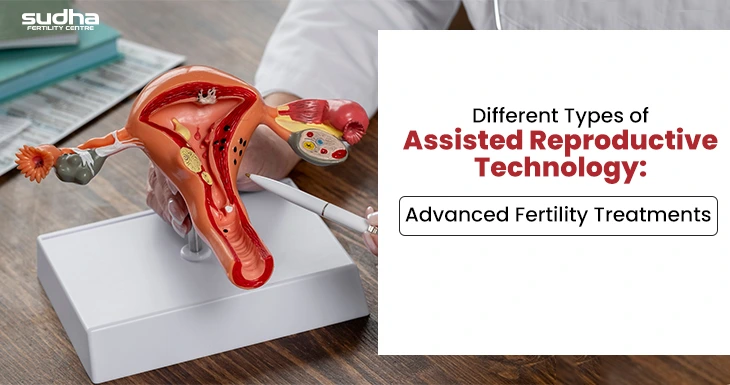
Different Types of Assisted Reproductive Technology: Advanced Fertility Treatments
What Are the Different Types of Assisted Reproductive Technology (ART)?
- In Vitro Fertilization (IVF) – eggs are retrieved, fertilized in a lab, and the resulting embryo is transferred into the uterus; the most widely used ART method and the foundation on which more advanced techniques such as PGT, ICSI, and FET are performed.
- Intrauterine Insemination (IUI) – processed sperm is directly placed into the uterus during ovulation; a less invasive ART option suitable for couples with mild male factor infertility, cervical factor infertility, ovulatory disorders, or unexplained infertility. IUI is typically attempted for 3 to 4 cycles before escalating to IVF if pregnancy is not achieved.
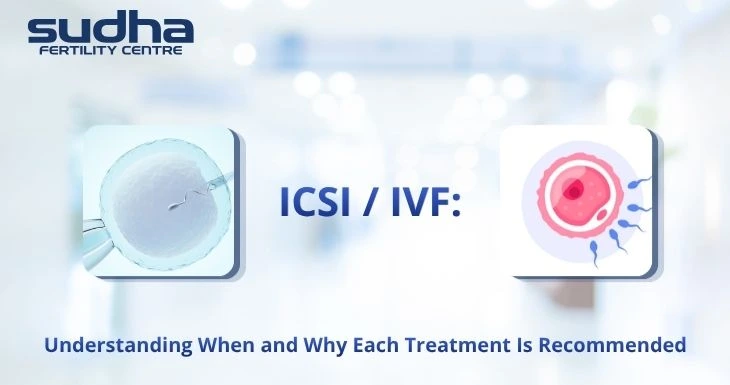
- Intracytoplasmic Sperm Injection (ICSI) – a single sperm is injected directly into an egg; recommended for severe male infertility where standard IVF fertilization fails
- Preimplantation Genetic Screening (PGS) – Preimplantation Genetic Testing for Aneuploidy (PGT-A, formerly called PGS) – embryos created via IVF are screened for whole-chromosome abnormalities before transfer to improve pregnancy success rates and reduce miscarriage risk.
- Preimplantation Genetic Diagnosis (PGD) – Preimplantation Genetic Testing for Monogenic Disorders (PGT-M, formerly called PGD) – tests for specific inherited single-gene disorders in embryos, helping parents avoid passing on conditions like thalassemia, sickle cell anemia, or cystic fibrosis. A third category, PGT-SR, tests for chromosomal structural rearrangements such as translocations.
- Frozen Embryo Transfer (FET) – previously frozen embryos from an earlier IVF cycle are thawed and transferred, offering flexibility without repeating a full IVF cycle
- Surrogacy – another woman carries the pregnancy on behalf of the intended parents. In India, only altruistic gestational surrogacy is legally permitted under the Surrogacy (Regulation) Act 2021. The intended parents must have a documented medical indication, and the surrogate must be a close relative aged 25 to 35 with her own child. Traditional surrogacy (where the surrogate provides her own egg) and commercial surrogacy are not permitted in India.
The right ART treatment is determined by the couple’s individual diagnosis, age, fertility health, and prior treatment history always guided by a fertility specialist.
Modern lifestyle increases the complications of health, especially reproductive health. With the environment and food culture of today’s living, infertility increases tremendously, particularly in metropolitan cities, where couples work rotationally without much care about the health of their future generation. Thanks to science, as modern complications arise, modern solutions arise too! Couples who are hopeless of longing for a baby for years or those who fear transmitting the hereditary disease to their children can opt for Different Types of Assisted Reproductive Technology Treatments, which can help them achieve their dreams of parenthood.
There are different types of assisted Reproductive Technology that you should know when you’re opting for fertility treatments to conceive. Understanding the various types of fertilization is crucial for couples seeking fertility treatments. When exploring Assisted Reproductive Technology Types, it is important to consult with specialists who can guide you through the options available. Each type of treatment will be preferred by fertility specialists based on your and your partner’s health condition.
In this blog, you’ll learn what are the different types of assisted reproductive technology (ART) treatments available and how they’ll help you achieve your dream of having a baby.
Types of Assisted Reproductive Technology
- In Vitro Fertilization (IVF)
- Intrauterine Insemination (IUI)
- Intracytoplasmic Sperm Injection (ICSI)
- Preimplantation Genetic Screening (PGS)
- Preimplantation Genetic Diagnosis (PGD)
- Frozen Embryo Transfer (FET)
- Surrogacy
It’s vital to know these types of ART treatments before considering undergoing fertility treatments to begin your parenthood journey.
In Vitro Fertilization (IVF):
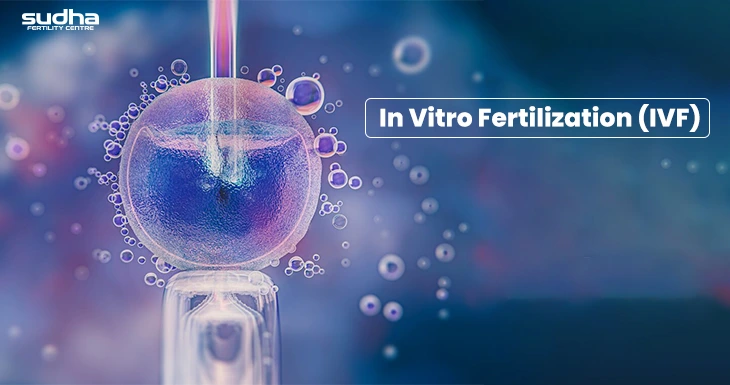
IVF is one of the most important types among the different types of assisted reproductive technology. In the process of IVF, complex medical procedures are performed to help a woman conceive. The process involves the retrieval of eggs and fertilizing in the lab. If the egg and sperm don’t fertilize, Intracytoplasmic Sperm Injection (ICSI) treatment will proceed. In the ICSI treatment, a single sperm is injected directly into an egg to assist fertilization. This method is beneficial, particularly in the cases of severe male infertility. The embryo transfer process is the final part of IVF.
Success Rate:
Success rates for IVF may vary depending on factors like fertility health, age, and the quality of eggs and sperm. IVF is not recommended to everyone who opts for fertility treatments. It is preferred when other fertility treatments have been unsuccessful or when specific medical conditions require a more advanced approach. Sudha Fertility Centre holds the pride of delivering 60k+ IVF babies with a success rate of 80%.
When and why is it recommended?
IVF treatment will be recommended when a couple has major fertility issues. Fertility specialists recommend IVF to couples in the following circumstances.
- Women who are above 40, as they produce fewer quality eggs, or don’t produce eggs.
- Women who had removed their ovaries.
- Men with infertility issues like abnormal sperm shape, decreased sperm count, or motility.
- For couples who have undergone fertility treatments before and failed multiple times.
- Women with damaged or blocked fallopian tubes.
- Couple who is preparing for pregnancy after menopause.
- Couples with severe genetic disorders will be recommended IVF with preimplantation genetic testing to avoid the transmission of genetic disease.
Different types of fertilization methods may be employed during IVF, depending on the specific challenges faced by the couple. Laser-assisted hatching is sometimes recommended to improve implantation success rates, especially for patients with previous unsuccessful IVF attempts.
Intrauterine insemination (IUI):
Most known among the different types of assisted reproductive technology.
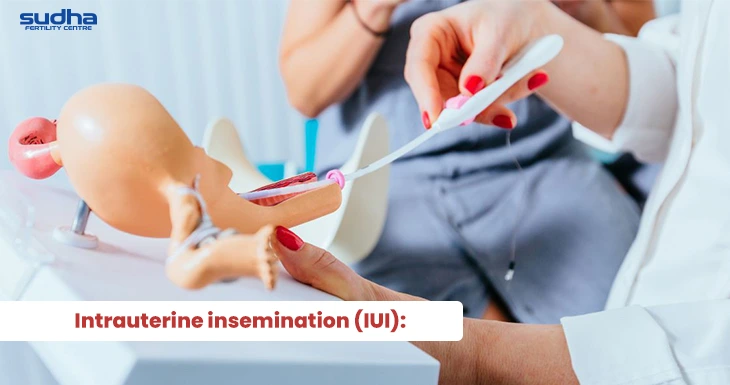
Intrauterine insemination (IUI) is one of the assisted reproductive technology types. In this process of IUI, the sperm is directly injected into the woman’s uterus to help conception at the time of Ovulation. This treatment is also known as artificial insemination. This is a short process, the fertility doctors collect a sperm sample, process it, and place the sperm directly into the uterus.
Success Rate:
IUI success rates are higher for couples with minor fertility challenges like mild male infertility, cervical issues, or unexplained infertility. The success rate may vary depending on factors like a woman’s age, sperm quality, and reproductive health. Sudha Fertility Centre holds the pride of delivering 35k+ IUI babies with a success rate of 78%.
When and why is it recommended?
The IUI treatment is preferred for couples with minor fertility issues. The IUI doctors recommend the treatment for couples in the following circumstances.
- Couples who are trying to get pregnant without protection but fail even with a healthy sexual life.
- Women with endometriosis. (a condition in which the lining of the uterus grows outside of the uterus.
- Men with sub-fertile semen parameters (slightly lower sperm count or motility).
- Couples who depend on donor sperm to get pregnant.
As one of the key assisted reproductive technology types, IUI offers a less invasive option compared to other fertility treatments. For some patients, laser-assisted hatching may be suggested alongside other treatments to enhance success rates. When considering assisted reproductive technology types, it’s important to understand that some treatments can be combined for optimal results.
Preimplantation Genetic Screening (PGS)
Preimplantation Genetic Screening (PGS) is a technique used to screen the health of the embryos created via IVF before implanting them into the uterus. It is done to make sure only healthy embryos are transferred, improving the chances of a successful healthy pregnancy.
How PGS enhances IVF outcomes:
By choosing the chromosomally normal embryos. PGS increases the chance of healthy pregnancies and reduces the risk of miscarriages.
When and why is it recommended?
This treatment is often recommended by IVF doctors to
- Women with advanced maternal age,
- Couples with recurrent miscarriages,
- Couples who have known genetic abnormalities.
Preimplantation Genetic Diagnosis:
Preimplantation genetic diagnosis is also a screening process like PGS, but it peculiarly focuses on identifying specific genetic disorders in embryos. This gives the advantage of picking embryos free from genetic disorders the parents possess.
Applications of PGD in genetic disorders:
Preimplantation Genetic Diagnosis (PGD) helps to prevent the inherited genetic disorders from parents to the baby like cystic fibrosis, muscular dystrophy, thalassemia, and sickle cell anemia. By screening embryos for specific genetic disorders during IVF, PGD helps parents pick healthy embryos, thus it reduces the risk of passing genetic conditions to their children.
Implications for prospective parents:
The PGD treatment process is a boon to parents who want to avoid passing genetic conditions to their children. This increases hope among the parents with genetic disorders who plan for a healthy pregnancy.
Frozen Embryo Transfer (FET)
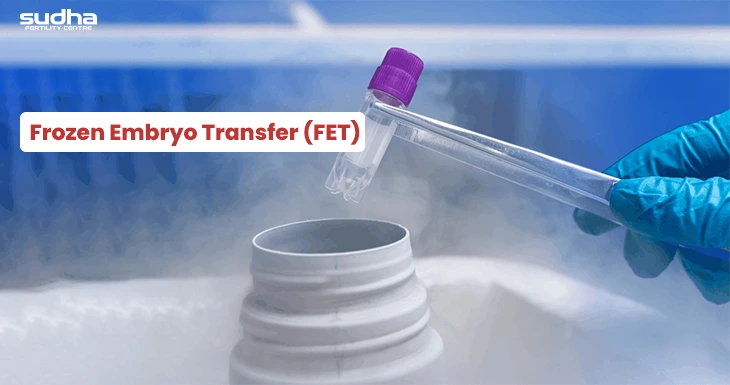
Frozen Embryo Transfer (FET) is the process of thawing and transferring previously frozen embryos from an earlier IVF cycle into the uterus. It allows the couple to use their remaining embryos without going through another full IVF cycle.
Benefits of using frozen embryos:
FET allows for more flexibility and timing. Additionally, studies have shown that embryos surviving the freezing and thawing process can have a higher success rate.
Timing and considerations for FET:
FET is often recommended for couples who want to preserve embryos for future use, or when delaying pregnancy is a personal or medical decision.
Surrogacy
The surrogacy process is an ART method used when a woman cannot carry a pregnancy herself. In this process, another woman called a surrogate, holds the baby on behalf of the intended parents. There are two types of surrogacies, they are:
- Gestational Surrogacy
- Traditional Surrogacy
Emotional and psychological considerations: The surrogacy process involves unique emotional and psychological challenges for both the surrogate and the intended parents. It’s important for all parties to receive counseling and legal guidance throughout the process.
Conclusion:
All these different types of assisted reproductive technology offer a wide range of solutions and help the parents’ dream of parenthood into reality. Whether it’s IVF and ICSI, Frozen Embryo Transfer, or the surrogacy process, the different types of assisted reproductive technology provide hope and options tailored to each situation. Each method has its own benefits, and seeking professional advice is crucial to determining the best path for your fertility journey.
Sudha Fertility Centre provides you with the right support and personalized care, ART can help make your dream of parenthood a reality.
Frequently Asked Questions
What is Assisted Reproductive Technology (ART)?
What are the different types of Assisted Reproductive Technology?
What is IVF and how does it work?
What is the difference between IVF and IUI?
When is ICSI recommended over conventional IVF?
What is Preimplantation Genetic Screening (PGS) in IVF?
What is the difference between PGS and PGD?
What is Frozen Embryo Transfer (FET) and who needs it?
What is surrogacy and when is it medically recommended?
How do I know which ART treatment is right for me?

Dr. S. Pradeepa is a fertility specialist at Sudha Fertility Centre, Erode, with expertise in IVF, IUI, ICSI, PCOS, and endometriosis. She holds MBBS, DGO, DNB (OG), and a Fellowship in Reproductive Medicine. Known for her patient-centric approach, she provides personalized, evidence-based care and reviews medical content to guide informed fertility decisions.

Permalink
Permalink
Permalink
Permalink
Permalink
Permalink
Permalink
Permalink
Permalink