

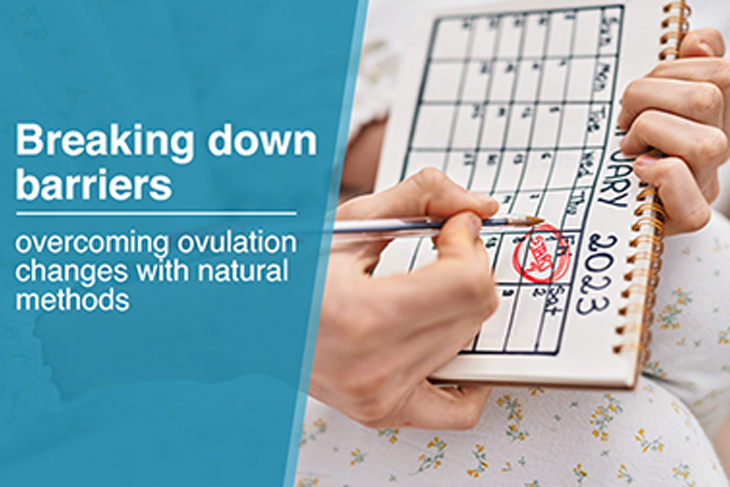
Understanding Ovulation Disorders: Causes, Symptoms, and When to Seek Treatment
Common Causes of Ovulation Disorders
-
- PCOS (Polycystic Ovary Syndrome) – Hormonal imbalance that prevents regular egg release and disrupts the menstrual cycle
- Hypothalamic Dysfunction – Disrupted signals from the brain that fail to trigger the hormones needed for ovulation
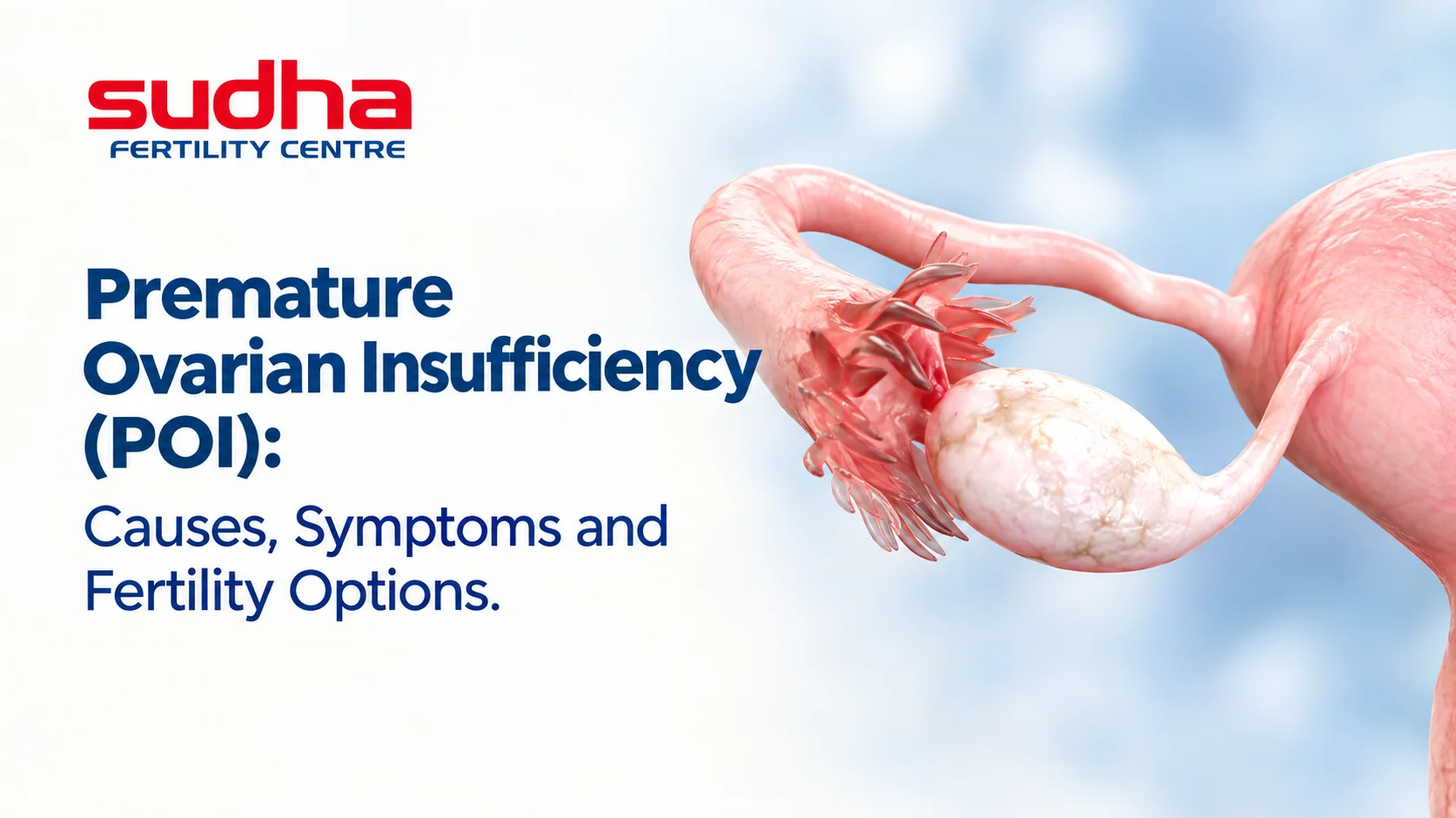
- Premature Ovarian Failure – Early loss of normal ovarian function before the age of 40, reducing egg availability
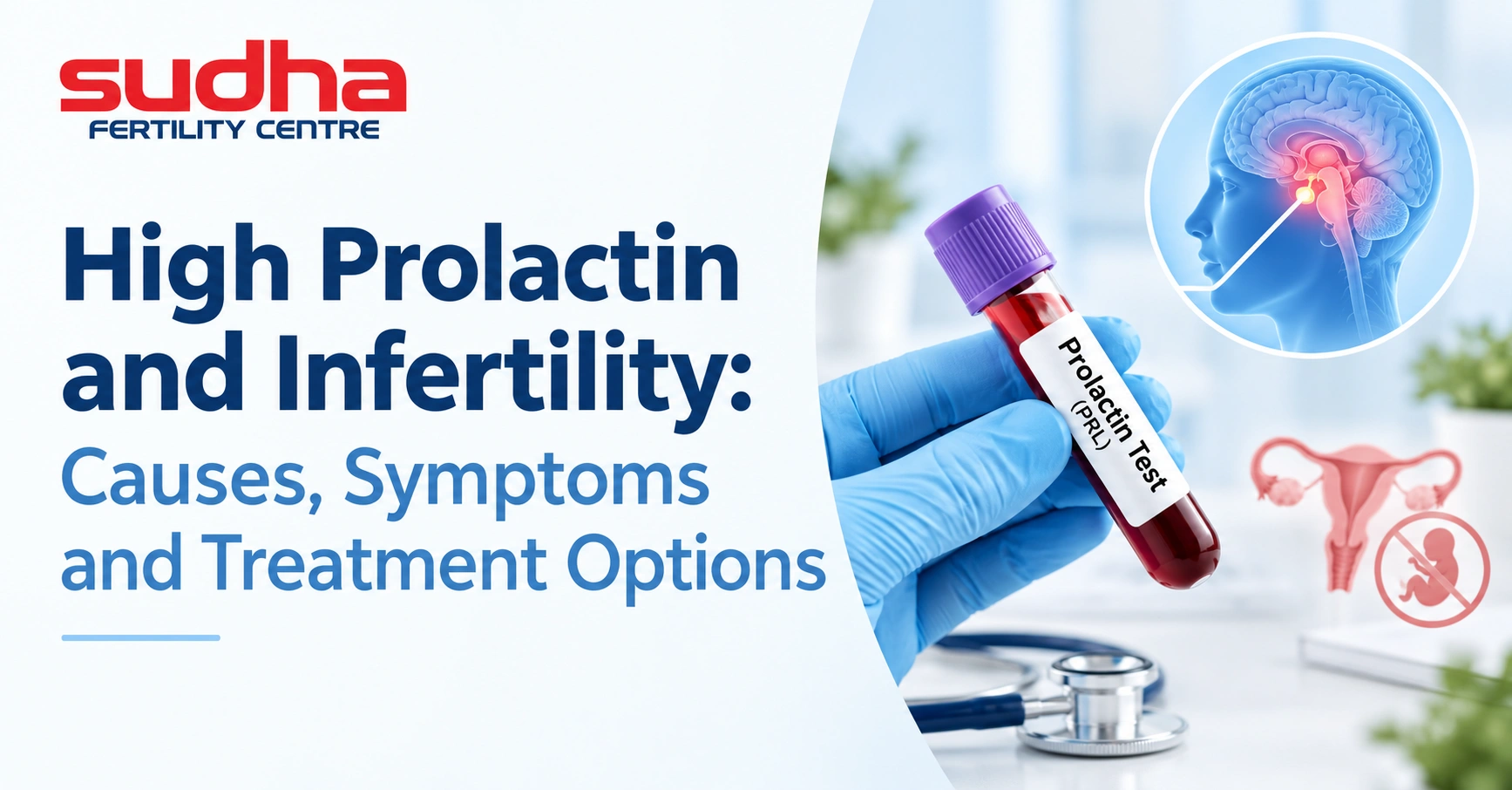
- Excess Prolactin (Hyperprolactinemia) – Elevated prolactin hormone levels that suppress estrogen and block ovulation
- Thyroid Dysfunction – Both hypothyroidism and hyperthyroidism interfere with reproductive hormones and ovulation regularity
Women with any of these conditions can still conceive with timely diagnosis and the right treatment plan guided by a fertility specialist.
When it comes to becoming pregnant, many factors are considered important. While financial and mental readiness are factors that are considered often, biologically, it is always the ovulation periods that play a huge role. But what is ovulation?
Ovulation occurs during the menstrual cycle when the ovary releases an egg. Eggs are fertilized by sperm once they have left the ovary and are traveling down the fallopian tube. Ovulation and fertility are closely related, with the female body being the most fertile in the days before and during ovulation. While ovulation may seem like an easy and habitual process, many women struggle with it. Some of the common causes of ovulation disorders are medical conditions like PCOS, hypothalamic dysfunction, premature ovarian failure, excess prolactin, and thyroid dysfunction.
In this blog, we’ll discuss ovulation and all its associated aspects – right from how you can induce increased ovulation naturally to the various available relief treatments, you’ll be armed with lots of information that would help you towards your parenthood dream.
You Are What You Eat: Nutrition and Lifestyle Changes
Any change in your body can be slowly countered by making measured and informed decisions about your lifestyle and nutrition choices. From eating better to taking the right supplements, your food choices and the way you live greatly impact your ovulation levels, and in consequence, your fertility levels. Here are some basic pointers to keep in mind concerning the same.
- Eat Healthy: Eating food that is rich in antioxidants and zinc is sure to improve fertility in both men and women! By eating more of this kind of food, you are deactivating every free radical in your body – thus protecting your body from damage to the sperm and egg cells. Studies have suggested that the consumption of food items like nuts, grains, and fruits is sure to help the implantation of sperm, pregnancy, and childbirth!
- Maintain a Healthy Weight: For all intents and purposes, ovulation is the main event in every menstrual cycle – and for that to happen well, the body must always be at the pink of health. Being overweight is associated with Polycystic Ovary Syndrome (PCOS) and can create an imbalance in your hormones, which will impair your ability to ovulate. Given the importance of ovulation – it is how the body produces hormones – and how it is inexplicably tied to a female’s weight and vaginal discharge, it is highly important for patients to maintain a healthy weight – eating well and staying consistent with physical activity is one way to do it!
- Exercises for Ovulation: There are many exercises out there that promote ovulation, and in consequence, fertility as well. Physical activities like walking, dancing, bicycling, working out at the gym, yoga, Pilates, and swimming are some great ways to burn calories and stay fit, thus keeping your fertility levels in check!
Herbal Remedies and Physical Therapy
There are many natural ways to induce increased and healthier ovulation periods in women, with some of them being herbal remedies. Foods like pomegranate, chamomile tea, ashwagandha, red clover, date palms, cinnamon, and fennel are known to promote ovulation and in consequence, fertility. While herbal remedies are known to be quite effective, physical therapy is also a very feasible and healthy way to naturally promote ovulation. Relaxing physical therapy offerings like acupuncture, massages, and reflexology are all sure to promote fertility in women.
- Acupuncture for Ovulation and Fertility: It may not be a medium of fertility aid that is spoken of much, but acupuncture is known for being a very effective method of treatment. There is evidence that acupuncture can improve fertility in women with a variety of health conditions. Among them are Polycystic Ovary Syndrome (PCOS), Hypothyroidism, and Ovulation problems.
- Massage and Reflexology for Fertility: Using acupressure points found in the feet, reflexology can benefit reproductive organs. There are certain points on the ankles and top of the foot that correspond to the ovaries, uterus, and fallopian tubes. According to some massage therapists, applying pressure to these points can increase your chances of getting pregnant. While massages are not medically proven to directly help with your fertility chances, they do increase calmness and diminish stress – which can increase fertility in women.
Stress And Ovulation: What Can I Do to Balance the Scales?

Ovulation is triggered by two hormones produced in the pituitary gland: follicle-stimulating hormone (FSH) and luteinizing hormone (LH). Stress can disrupt the production of these hormones in the pituitary gland, preventing the release of eggs.
Here are some ways to help reduce stress and promote fertility:
- Get Up and Get Going: Getting optimal amounts of exercise is a surefire way to get rid of any stress you may have, what with the hormones (Endorphins) being released to make you feel better. Your mind is boosted, and your anxiety is reduced greatly too!
- Eat Well: This may seem like beating the same drum over and over, but know this – there is no substitute for a meal with high nutrition. Eating more fruits, veggies and whole grains is sure to make you healthier – and that includes avoiding harmful foods like simple sugars, excessive caffeine and starch.
- Time to Relax: Partaking in yoga, deep breathing, massages and leaning to meditate is a great way to dial down and become calm. You could also go ahead and pursue a hobby or two that would help you unwind – so go read a book, listen to music or catch up on your favourite podcast!
Conclusion
Ovulation is the cornerstone of a healthy pregnancy. The above-mentioned methods are sure to help your body be at optimum levels of fertility, all while ensuring that your health is at its peak. Making sure to eat the right food, and keeping track of your menstrual cycles to know when you’re ovulating is the best way to enhance your chances of pregnancy.
At Sudha Fertility Centre, we’re intent on making sure that parenthood is an achievable dream for all couples that desire. Our state-of-the-art equipment and supremely talented medical team are focused on helping you through it all – and that includes answering any questions you may have about the ovulation process as well!
Frequently Asked Questions
What are the most common causes of ovulation disorders in women?
How does PCOS cause ovulation problems?
What is hypothalamic dysfunction and how does it affect ovulation?
What is premature ovarian failure and can women with it still get pregnant?
How does excess prolactin (hyperprolactinemia) affect ovulation?
Can thyroid problems cause ovulation disorders?
How do doctors diagnose the cause of an ovulation disorder?
Are ovulation disorders permanent or can they be treated?
Can lifestyle changes alone fix ovulation disorders caused by these conditions?
When should a woman with suspected ovulation disorder see a fertility specialist?

Dr. S. Pradeepa is a fertility specialist at Sudha Fertility Centre, Erode, with expertise in IVF, IUI, ICSI, PCOS, and endometriosis. She holds MBBS, DGO, DNB (OG), and a Fellowship in Reproductive Medicine. Known for her patient-centric approach, she provides personalized, evidence-based care and reviews medical content to guide informed fertility decisions.
Permalink
Permalink
Permalink
Permalink
Permalink
Permalink
Permalink
Permalink