
Signs and Symptoms of Unhealthy Sperm | Expert Tips to Boost Fertility
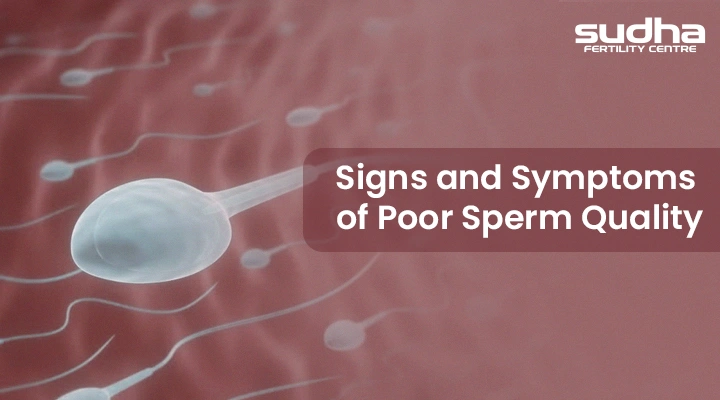
Signs and Symptoms of Unhealthy Sperm
- Difficulty conceiving – Inability to achieve pregnancy after 12 months of regular unprotected intercourse the most noticeable sign
- Low libido or sexual dysfunction – Difficulty with performance or sperm release, often signals hormonal imbalance affecting testosterone and sperm production
- Testicular pain or swelling – Varicocele, infections, or inflammation, raises scrotal temperature and directly reduces sperm count and motility
- Abnormal ejaculate – Watery, thick, discoloured (yellowish/reddish), reduced volume, or unusual odour may indicate oligospermia, teratozoospermia, or infection
- Hormonal imbalance symptoms – Fatigue, reduced muscle mass, mood changes, or low libido directly affect sperm count and morphology
It’s essential to know the signs and symptoms of unhealthy sperm, especially those who are trying to conceive or to safeguard their reproductive health. As male fertility plays a crucial role in successful conception! Being aware of changes in reproductive health, testicular discomfort, or semen abnormalities can encourage timely medical support and lifestyle improvements.
In this article, we will explore what is meant by unhealthy sperm, the warning signs and symptoms of unhealthy sperm, expert-backed tips to improve your sperm health, and when to consult a fertility speciality regarding your sperm health.
What is Sperm Health?
Sperm health is a core indicator of male fertility, every man should know about his sperm health and should take time to self-analyse and understand it. Because being aware today can help protect fertility and build a healthier future tomorrow. It determines whether the sperm is capable of reaching and fertilizing an egg. A semen analysis is the primary diagnostic test for poor sperm quality, and it measures several important parameters:
Sperm count (the number of sperm in semen)
A healthy sperm count indicates a high concentration of sperm per milliliter of semen. Lower counts may reduce the chances of natural conception.
Sperm motility (the ability to swim efficiently)
Sperm motility measures how effectively the sperm moves toward the egg. Poor motility, often influenced by oxidative stress or lifestyle factors, can make fertilization difficult.
Sperm morphology (shape and structure)
Sperm morphology assesses the form of spermhead, midpiece, and tail. Abnormal shapes reduce the ability to penetrate the egg.
Semen volume and pH levels
Semen should have a balanced pH and sufficient volume to transport sperm efficiently. Low semen volume may indicate issues with glands such as the prostate.
Any imbalance or abnormality in these factors may result in subfertility or infertility, making early evaluation crucial for men experiencing conception challenges. Secondary causes, such as varicocele, oxidative stress, or hormonal imbalance, also influence sperm parameters and may require medical attention.
Signs and Symptoms of Unhealthy Sperm
Many men tend to overlook early warning signs and assuming male fertility problems are uncommon or only related to aging. However, certain signs and symptoms may indicate poor sperm quality, and identifying them early can help determine the need for evaluation through a semen analysis. So, here are the signs and symptoms of unhealthy sperm that indicating
- Difficulty Conceiving
One of the most noticeable sign is the inability to achieve pregnancy even after 12 months of regular, unprotected intercourse. This is often the first reason men seek medical evaluation and undergo a semen analysis to assess sperm count, motility, and morphology.
-
Low Libido or Dysfunction
Difficulty in maintaining performance during intercourse or problems with sperm release can sometimes indicate an underlying hormonal imbalance. Since testosterone plays a crucial role in libido, stamina, and sperm production, any noticeable changes in sexual function or reproductive health should not be ignored.
-
Pain or Swelling in Testicles
Pain, heaviness, or swelling in the testicles may indicate underlying conditions such as varicocele, infection, inflammation, or fluid accumulation. Some men may also notice tenderness, a dull aching sensation, or visible enlargement of the veins in the scrotum. These symptoms can affect the temperature regulation of the testicles and interfere with normal sperm production. Varicocele, in particular, is a common medical cause of reduced sperm motility and a lower sperm count due to increased heat around the testicles.
-
Abnormal Ejaculate
Abnormal ejaculate refers to semen that does not meet normal parameters, which may indicate problems with sperm count, motility, or morphology. It can be associated with conditions such as oligozoospermia (low sperm count), asthenozoospermia (poor sperm motility), and teratozoospermia (abnormal sperm shape).
You may suspect abnormal ejaculation if you notice consistent changes in the watery semen, very thick semen, reduced semen volume, yellowish or reddish discoloration, or an unusual odor. In some cases, men may also experience pain or discomfort during ejaculation.
-
Hormonal Imbalances
Hormonal imbalance may present as weariness, diminished muscle mass, mood fluctuations, or lower libido. Male hormones directly affect sperm production; thus, abnormalities such as reduced sperm count and morphology are major indicators of low sperm quality.
Expert Tips to Boost Sperm Quality and Male Fertility
Enhancing male reproductive health necessitates a combination of lifestyle modifications, dietary assistance, and understanding of risk factors. The subsequent expert-endorsed procedures are efficacious for men seeking to enhance male fertility, augment sperm count naturally, and improve sperm motility.
-
Maintain a Healthy Weight
Being either overweight or underweight can disrupt hormone levels, reduce sperm production, and increase oxidative stress. Maintaining a balanced and ideal body weight helps support healthy testosterone levels, improves sperm quality, and enhances overall reproductive health. Adopting a combination of regular physical activity and a nutritious diet can significantly contribute to optimal sperm parameters and fertility.
-
Fertility-Boosting Diet
Nutrition significantly impacts sperm health and total male fertility. An optimal, fertility-improving diet must encompass a diverse array of vital nutrients that facilitate hormonal equilibrium and safeguard sperm from harm.
- Zinc (pumpkin seeds and lentils) – is crucial for testosterone synthesis and optimal sperm development.
- Antioxidants (berries, spinach, dark chocolate) – Helps to reduce oxidative stress, a key contributor to sperm cell destruction.
- Omega-3 fatty acids (walnuts, flaxseeds, salmon) — Enhance sperm membrane fluidity and motility.
- Folate and Vitamin B12 (leafy greens and eggs) — Crucial for preserving sperm DNA integrity and facilitating healthy growth.
These nutrients contribute to healthier sperm count, morphology, and motility, promoting a better chance of natural conception.
-
Limit Heat Exposure
High temperatures significantly affect sperm production by affecting testicular function. Avoid placing laptops on laps, prolonged hot baths, tight undergarments, or extensive sauna sessions, as extreme heat increases oxidative stress on sperm cells.
-
Quit Smoking and Reduce Alcohol
Male sperm DNA might get harmed by toxins like smoking and pharmaceuticals, which can also decrease sperm count and motility. Alcohol affects testosterone levels by disrupting hormone balance and weakening liver function. Fertility outcomes can be greatly improved by cutting back on or quitting off particular habits.
-
Manage Stress Effectively
Prolonged stress increases cortisol levels, which interfere with the production of testosterone. Libido, sperm count, and general function can all be adversely affected by this hormonal imbalance. Hormone levels can be stabilized by practices like exercise, meditation, and getting enough sleep.
-
Avoid Toxins and Chemicals
Pesticides, industrial chemicals, heavy metals, and BPA-containing plastics are examples of environmental toxins that can upset hormone balance and harm sperm cells. Choose safer products, wear safety gear at work, and, if it is feasible, opt for organic produce.
-
Take Male Fertility Supplements
It is known that some supplements promote the health of sperm. Examine the following options, which are suggested by experts:
- CoQ10: It increases sperm motility and shields cells from oxidative stress.
- Vitamins C and E: They increase sperm morphology by offering antioxidant protection.
- Selenium: Promotes healthy sperm development and testicular function.
- L-carnitine: Helps produce energy for the motility of sperm.
Note: Before beginning any dietary supplements, always speak with a fertility specialist or nutritionist regarding the purpose.
When to See a Fertility Specialist
Men should consider consulting a fertility specialist if they experience persistent difficulty conceiving, symptoms listed above, or abnormalities found in a semen analysis. We at Sudha Fertility Centre medically Support, ensure timely diagnosis and personalized treatment. In cases where natural conception remains challenging, treatments include options like IVF, IUI, ICSI and other ART treatments can help couples who were trying to get pregnant.
These treatments provide viable solutions for severe fertility issues in males, not only for male infertility and also female infertililty problems.
At Sudha Fertility Centre, we carefully examine all potential indications and signs of sperm, helping men to take proactive measures to improve their fertility. By supporting patients with lifestyle modifications, a nutritious diet, reducing stress, and regular medical examinations, we considerably improve and safeguard sperm parameters.We are always committed to upholding honesty and providing patients with the best care possible. Good care as well as early problem detection with medical support make every man’s fertility journey successful.
Frequently Asked Questions
What are the signs of unhealthy sperm?
Can you tell if sperm is unhealthy by looking at it?
Does watery semen mean low sperm count?
What causes unhealthy sperm?
Can unhealthy sperm be improved naturally?
How do I know if I have a low sperm count?
What does unhealthy sperm morphology look like?
Does stress affect sperm quality?
When should I see a doctor about sperm health?
Is it possible to have unhealthy sperm with no symptoms?

Dr. S. Pradeepa is a fertility specialist at Sudha Fertility Centre, Erode, with expertise in IVF, IUI, ICSI, PCOS, and endometriosis. She holds MBBS, DGO, DNB (OG), and a Fellowship in Reproductive Medicine. Known for her patient-centric approach, she provides personalized, evidence-based care and reviews medical content to guide informed fertility decisions.