



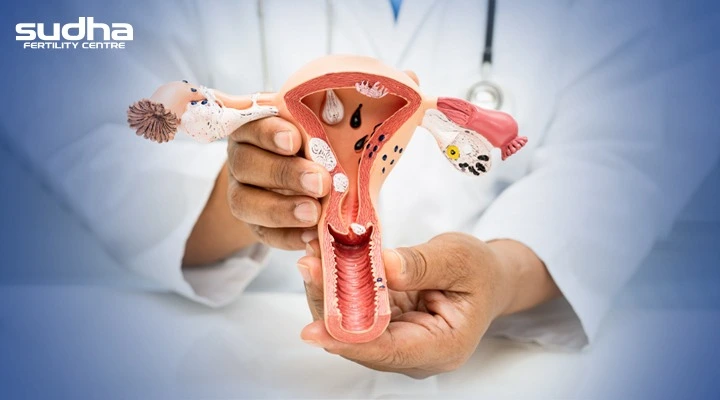
Uterine Fibroids & Difficulty Conceiving: Types, Treatment & Fertility Impact – Expert Guide by Sudha Fertility Centre
What Are Uterine Fibroids?
Uterine fibroids have become one of the most commonly diagnosed conditions among reproductive-age women, yet many still don’t fully understand what they are or how they affect fertility. For some women, fibroids stay quiet for years without causing any trouble. For others, they trigger heavy bleeding, pelvic pressure, and sometimes the heartbreaking struggle of infertility.
At Sudha Fertility Centre, we meet many women who arrive feeling confused about why conception isn’t happening naturally. After their evaluation, they discover that fibroids are playing a bigger role in their fertility problems than they ever expected. With advanced diagnostic tools, skilled surgeons, and personalized fertility planning, the centre has helped thousands of women overcome fibroid-related challenges and move closer to motherhood.
This complete guide breaks down everything you need to know about uterine fibroids, their symptoms, the different types, how they impact fertility, and the treatment options that can restore reproductive health.
1. Understanding Uterine Fibroids
Uterine fibroids—also known medically as leiomyomas or myomas—are noncancerous tumors that grow from the smooth muscle cells of the uterus. Even though the word “tumor” sounds alarming, fibroids are almost always benign. But their size, number, and location can create significant issues, especially when a woman is trying to get pregnant.
How Common Are Fibroids?
Fibroids are extremely common and occur in nearly 40–60% of women by age 40. In some, they remain tiny and harmless, while in others they grow large enough to distort the uterus or block the tubes.
Why Fibroids Matter in Fertility
Some fibroids barely impact reproductive function, but others can disrupt the very process of conception. They may block sperm movement, interfere with implantation, or change the shape of the uterine cavity—making pregnancy difficult to achieve or sustain.
At Sudha Fertility Centre, doctors follow a structured fertility-focused evaluation that identifies whether fibroids are affecting ovulation, egg transport, implantation, or early embryo development.
2. What Exactly Are Uterine Fibroids? (Clinical Definition)
At their core, fibroids are benign smooth muscle tumors originating from the uterus. Their growth is influenced mainly by estrogen and progesterone, which explains why they tend to grow during reproductive years and shrink after menopause.
Key Characteristics of Fibroids:
-
They can be single or multiple.
-
They vary in size—from tiny seed-like nodules to large masses.
-
They can grow inside, outside, or within the uterus.
-
They may remain stable for years or grow rapidly.
Different locations have different implications, especially for women seeking pregnancy. At Sudha Fertility Centre, mapping the size, location, and number of fibroids is the first step in designing a personalized fertility plan.
3. Types of Uterine Fibroids (Important for Fertility Planning)
Fibroids are classified based on where they grow. This classification is extremely important because location determines fertility impact.
Let’s break down the four main types:
A. Submucosal Fibroids (Highest impact on fertility)
These grow inside the uterine cavity and can severely affect implantation. Even small submucosal fibroids can reduce a woman’s chances of getting pregnant because they interfere with the embryo attaching to the lining.
Symptoms:
-
Heavy bleeding
-
Painful periods
-
Repeated implantation failure
Sudha Fertility Centre usually recommends hysteroscopic myomectomy for these fibroids, which is a fertility-preserving procedure.
B. Intramural Fibroids (Within the uterine wall)
These grow within the muscular wall and may or may not distort the cavity. Large intramural fibroids can:
-
Reduce blood flow to the uterus
-
Disrupt embryo implantation
-
Change the shape of the cavity
Women undergoing IVF at Sudha Fertility Centre often have intramural fibroids removed beforehand to improve pregnancy rates.
C. Subserosal Fibroids (Outside the uterus)
These grow on the outer surface of the uterus and typically do not affect fertility directly. But if they grow too large, they can cause:
-
Pelvic pressure
-
Bladder problems
-
Bowel discomfort
Generally, they are removed only if symptomatic.
D. Pedunculated Fibroids (Attached by a stalk)
These hang from the uterus like a small balloon on a string. While mostly harmless to fertility, they can twist on the stalk and cause sudden pain.
Brand Note:
Sudha Fertility Centre uses 3D ultrasound, MRI, and saline infusion sonography to accurately map fibroid locations, ensuring precise treatment planning for patients trying to conceive.
4. Symptoms of Uterine Fibroids
Not all fibroids cause symptoms, but when they do, the signs can range from mild discomfort to life-disrupting pain.
Common Symptoms Include:
-
Heavy menstrual bleeding
-
Painful periods
-
Pelvic pressure or fullness
-
Bloating
-
Frequent urination
-
Pain during intercourse
-
Constipation
-
Difficulty conceiving
Women often search online for:
-
“How to know if fibroids are causing infertility?”
-
“Can fibroids block pregnancy naturally?”
At Sudha Fertility Centre, gynecologists carefully evaluate symptom history to determine whether fibroids are interfering with fertility or overall reproductive health.
5. Causes & Risk Factors of Fibroids
Doctors don’t know exactly why fibroids form, but several factors are known to increase risk.
Common Causes & Contributors:
-
Hormonal imbalance (estrogen dominance)
-
Genetic predisposition
-
Obesity
-
Early menarche
-
Vitamin D deficiency
-
Family history of fibroids
-
Exposure to xenoestrogens (plastics, chemicals)
Sudha Fertility Centre often checks hormone levels, Vitamin D status, and personal risk factors to understand a patient’s fibroid pattern and growth behavior.
6. How Uterine Fibroids Affect Fertility
Fibroids can hinder fertility in several ways, depending on their size and location.
Mechanisms That Make Conception Difficult:
1. Distorting the Uterine Cavity
Submucosal or large intramural fibroids can change uterine shape, making it hard for an embryo to implant.
2. Blocking the Fallopian Tubes
Fibroids near the tubes can prevent egg and sperm from meeting.
3. Altering Blood Supply
Poor blood flow affects how well the endometrium supports implantation.
4. Increasing Pelvic Inflammation
Inflammation reduces embryo survival and implantation chances.
5. Interference With Sperm Transport
Cervical or cavity-distorting fibroids can obstruct sperm movement.
Internal Link Opportunities:
-
IVF
-
IUI
-
Laparoscopy
-
Hysteroscopy
-
Ovarian reserve testing
At Sudha Fertility Centre, specialists create an individualized fibroid–fertility management plan to optimize natural conception or assisted fertility outcomes.
7. Diagnosis of Uterine Fibroids
Accurate diagnosis plays a major role in determining whether fibroids are the reason behind infertility.
Diagnostic Tools Include:
Pelvic Ultrasound
Basic screening tool for fibroids.
3D Ultrasound
Provides detailed cavity distortion information.
Hysteroscopy
Direct visualization inside the uterine cavity—best for diagnosing submucosal fibroids.
MRI
Used for complex cases or deep-seated fibroids.
Hysterosalpingography (HSG)
Shows whether fibroids are blocking the fallopian tubes.
Saline Infusion Sonography (SIS)
Helps map cavity-distorting fibroids.
Emerging Diagnostic Tools:
-
Doppler studies
-
Enhanced fibroid vascularity mapping
Sudha Fertility Centre offers all major diagnostic imaging under one roof, ensuring early detection and treatment planning without delay.
8. Treatment Options for Uterine Fibroids
Treatment depends on symptoms, fertility goals, and fibroid characteristics.
A. Medical Management
1. Hormonal Therapy
-
Combined oral contraceptives
-
Progestins
-
GnRH agonists/antagonists
These do not remove fibroids but can temporarily shrink them or reduce symptoms.
2. Pain Management
NSAIDs reduce bleeding and cramps.
3. Iron Supplements
For women with heavy bleeding and anemia.
B. Minimally Invasive Surgical Options
Hysteroscopic Myomectomy
For submucosal fibroids inside the uterine cavity.
Laparoscopic Myomectomy
For intramural and subserosal fibroids. Helps preserve fertility.
Robotic Myomectomy
Advanced surgical assistance (available in select centres).
Uterine Artery Embolization (UAE)
Shrinks fibroids by cutting off their blood supply.
Not usually recommended for women who still want to conceive.
C. When Surgery Is Recommended for Fertility
Doctors may advise surgery when:
-
Fibroids distort the uterine cavity
-
Intramural fibroids are >4–5 cm
-
Recurrent IVF failures occur
-
Tubes are blocked due to fibroids
-
Fibroids interfere with embryo implantation
Sudha Fertility Centre performs fertility-preserving myomectomy using highly advanced minimally invasive techniques to maintain uterine strength for future pregnancy.
9. Uterine Fibroids & IVF: Success & Challenges
Fibroids can impact IVF success depending on their size and placement.
How Fibroids Affect IVF Outcomes:
-
Reduced implantation rates
-
Higher miscarriage risk
-
Lower pregnancy success rates
-
Poor embryo–endometrium interaction
When IVF Is Recommended:
-
After myomectomy
-
Blocked fallopian tubes
-
Recurrent implantation failures
-
Age-related infertility
-
Low ovarian reserve
Sudha Fertility Centre IVF Success Rates
Sudha Fertility Centre has consistently high IVF success rates across age groups. For women treated for fibroids, the centre observes strong:
-
Implantation rates
-
Clinical pregnancy rates
-
Live birth outcomes
Real patient stories—from women who struggled with large fibroids for years and conceived after treatment—are an everyday inspiration at Sudha.
Popular Search Queries:
-
IVF success rate after fibroid removal
-
Best IVF treatment for women with fibroids
10. Fertility Preservation Strategies
Some women need to preserve fertility before undergoing fibroid treatment.
Options Include:
-
Egg freezing
-
Embryo freezing
-
Preserving ovarian reserve during surgery
Sudha Fertility Centre offers a dedicated fertility preservation program, especially helpful for women with multiple or rapidly growing fibroids.
11. Prevention & Lifestyle Management
Fibroids cannot always be prevented, but lifestyle habits can reduce growth or symptoms.
Recommendations:
-
Adequate Vitamin D
-
Maintaining healthy weight
-
Balanced, plant-forward diet
-
Minimizing estrogen exposure (plastics, chemicals)
-
Regular exercise
-
Managing stress
Regular screening at Sudha Fertility Centre helps detect fibroids early before they start affecting fertility.
12. Emotional Health, Counselling & Support
The emotional toll of infertility and fibroid struggles is often underestimated. Many women feel overwhelmed, guilty, or anxious about repeated treatments or long delays in conception.
Sudha Fertility Centre provides:
-
Fertility counselling
-
Psychological support
-
Support group sessions
-
Couple counselling
These programs help women feel supported, both emotionally and medically, throughout their treatment journey.
13. Sudha Fertility Centre: Expertise, Branches & Patient Success Stories
With multiple branches and a strong reputation in women’s reproductive health, Sudha Fertility Centre has become a trusted name for fibroid-related infertility care.
Why Women Choose Sudha:
-
Expert laparoscopic surgeons
-
Advanced fertility-focused fibroid treatment
-
High IVF success rates
-
Personalized care plans
-
Thousands of successful pregnancies
-
State-of-the-art diagnostic facilities
Every year, the centre helps countless women overcome fibroids, retain their fertility, and achieve a healthy pregnancy.
14. Frequently Asked Questions
Do all fibroids cause infertility?
No. Only certain types (especially submucosal and large intramural ones) affect fertility.
Which type affects fertility the most?
Submucosal fibroids.
When should fibroids be removed before trying to conceive?
When they distort the cavity or exceed 4–5 cm.
Can I get pregnant naturally with fibroids?
Yes—many women do, depending on size and location.
Is IVF successful for women with fibroids?
Yes, especially after appropriate evaluation or surgical correction.
How does Sudha Fertility Centre treat fibroids?
Through personalized treatment using advanced diagnostics, fertility-preserving myomectomy, and targeted fertility management.
Conclusion
Uterine fibroids are common, but they don’t have to stand in the way of your dream of motherhood. With the right diagnosis, timely treatment, and fertility-focused care, women can overcome fibroid-related infertility and achieve a healthy pregnancy.
If you’re struggling to conceive or worried that fibroids may be affecting your fertility, reach out to Sudha Fertility Centre. Their specialists will guide you through every stage—evaluation, treatment, and conception—with expertise and compassion.

Dr. S. Pradeepa is a fertility specialist at Sudha Fertility Centre, Erode, with expertise in IVF, IUI, ICSI, PCOS, and endometriosis. She holds MBBS, DGO, DNB (OG), and a Fellowship in Reproductive Medicine. Known for her patient-centric approach, she provides personalized, evidence-based care and reviews medical content to guide informed fertility decisions.

Permalink
Permalink